







Search Results for: flow guidance performance
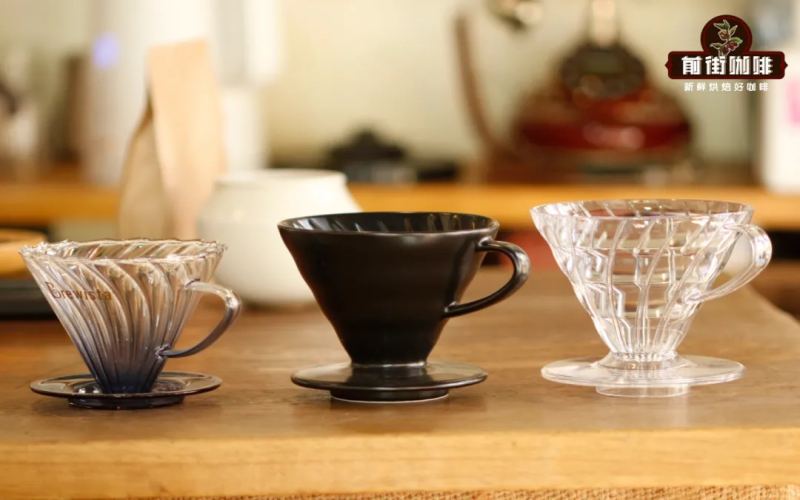
Pour Over Coffee Equipment Recommendations | What Coffee Gear Do Beginners Need to Start Pour Over? How to Choose a Home Brewing Coffee Dripper?
Recently, Front Street Coffee received a WeChat message: "I just want to simply buy a V60 dripper... Why are there so many materials?! And the prices vary so much—does the coffee brewed really taste different??" What are the differences between drippers made of different materials? The common V60 dripper materials on the market are divided into [more…]
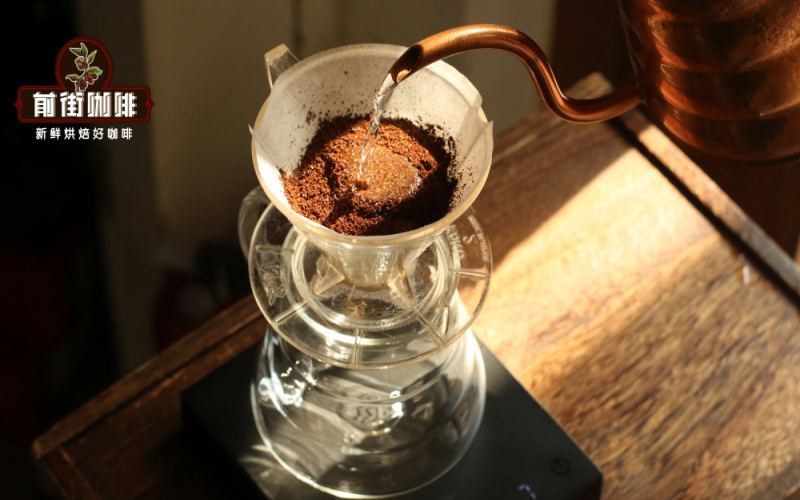
A Century of Evolution of the Melitta Filter Cup: From Blotting Paper Inspiration to a Performance Comparison of the V60 and Kono Pour-Over Filter Cups
Pour-over coffee is inseparable from the dripper, but just how big is the dripper's influence on flavor? This article begins with the Melitta dripper, which went into production in 1912, and traces the story of the birth of the world's first trapezoidal dripper—Mrs. Melitta, inspired by blotting paper, poked holes in a brass cup to filter coffee, but because the filter paper was difficult to fit the cylindrical container, this gave rise to the prototype of the ribs. Afterward, the defect of slow flow in the single-hole design prompted the emergence of multi-hole versions. The article then focuses on the core elements of the dripper: flow rate and flow-guiding performance, and through actual testing of V60 and the Kono short-rib version with Front Street Coffee's Mandheling beans, reveals the practical effects of different drippers on extraction time, mouthfeel, and grinding adjustment. [more…]
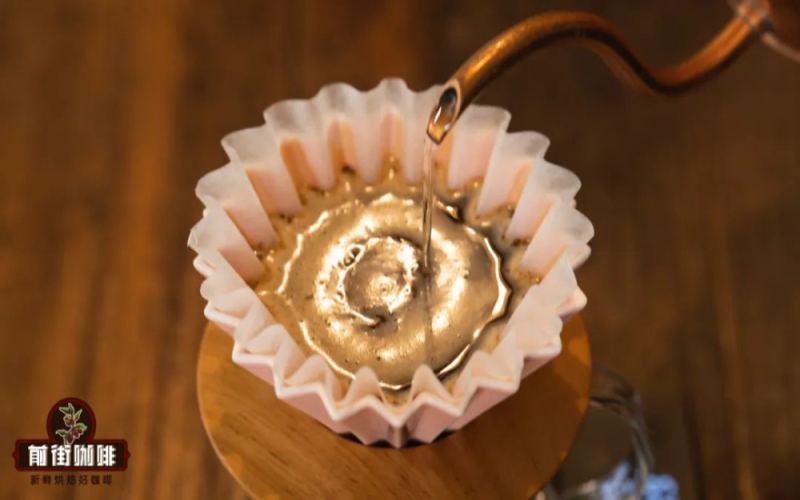
Why does the Origami dripper keep trending? A full breakdown of its design highlights, competition heritage, and two filter paper methods
The Origami dripper has remained a hot topic in the coffee world in recent years. Many people were initially drawn to it by its appearance, but after actually using it, they discovered that it is no mere "vase." This dripper's crease design combines flow guidance with aesthetics, and its 20 evenly spaced creases give it a distinct Nordic minimalist style. Another key reason for its ongoing popularity is its multiple appearances at the World Coffee Brewing Championship—Du Jianing in 2019 and Carlos in 2023 both won the title using it. Even more practical is that the Origami supports both conical and cake filters, allowing users to switch between fast-paced and slow-paced brewing to highlight aroma layering or a rich, full-bodied taste, respectively. Based on Front Street Coffee's actual test data, this article compares the flavor differences under the two types of filters and analyzes the real reason for its enduring popularity. [more…]
What Is Pour-Over Coffee? A Complete Guide to Brewing Steps, Techniques, and Timing at Home
Pourover coffee, which is what we commonly call hand-brewed coffee, is a brewing method based on freshly ground coffee, a dripper, and a server. Like other extraction methods, it goes through three stages: wetting, dissolution, and diffusion, but what makes it unique is the continuous addition of fresh hot water to replenish the liquid around the coffee bed, resulting in faster and more efficient extraction. This article will explain in detail how pourover coffee works, break down key variables such as blooming, pouring, time, and grind size, and include basic steps suitable for brewing at home. Whether you are a beginner just getting into pourover or an enthusiast looking to refine your technique, you will find practical guidance here. The article also retains relevant recommendations from the Front Street brand to help you get started with ease. [more…]
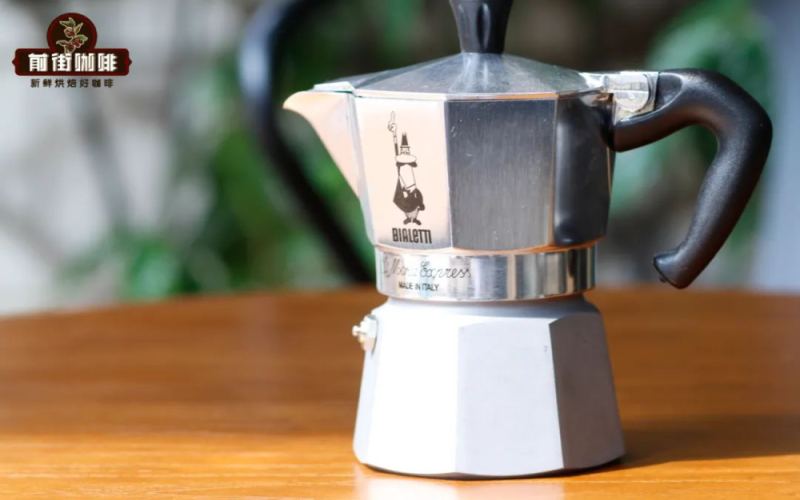
How to Fix Bitter and Astringent Coffee from a Moka Pot? A Complete Guide from Bean Selection to Operation
Since its invention by Italian Alfonso Bialetti in 1933, the moka pot has remained a classic device for brewing rich coffee in European households. However, many people encounter the problem of bitter and astringent coffee when using it, which is often closely related to the operating method, coffee bean selection, and grind size. This article will systematically explain the moka pot's structural principles, bean selection recommendations, detailed operating steps, and solutions to common problems, helping you easily extract moka pot coffee with abundant oils and a mellow taste. Whether you are a beginner just starting out or an enthusiast looking to improve extraction quality, you will find practical guidance here. [more…]
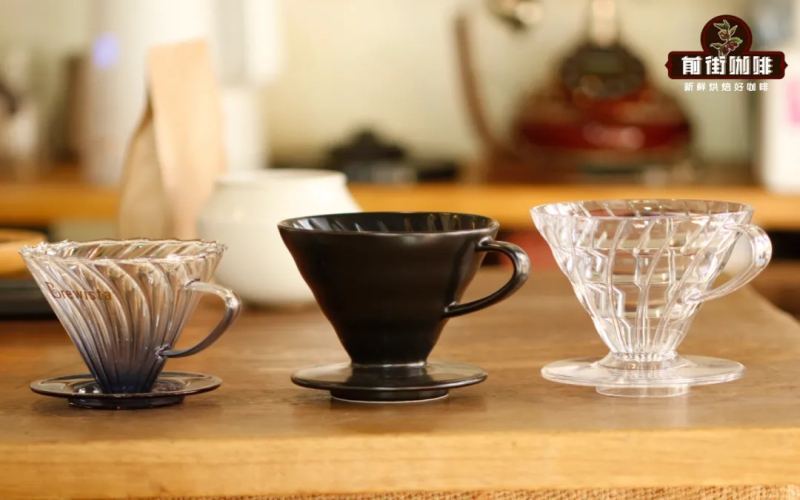
A Beginner's Guide to Choosing Home Coffee Brewing Equipment: A Full Analysis of the Heat Retention and Flow Dynamics Differences Between Resin, Glass, and Ceramic Drippers
Faced with the dazzling array of V60 drippers on the market, beginners are often confused about how to choose among resin, glass, and ceramic materials. After receiving readers' messages, Front Street Coffee specifically used Ethiopian Yirgacheffe Gutingting washed beans for comparative brewing, testing everything from heat retention and flow dynamics to the final flavor performance. This article fully presents the temperature change data of drippers made of different materials under preheated and non-preheated conditions, analyzes why ceramic retains heat well but tends to over-extract, while resin cools quickly yet delivers better layering, and offers purchasing advice for different roast levels and taste preferences, helping coffee lovers find the one that suits them best. [more…]

The Complete Moka Pot Manual: From Coffee-to-Water Ratio to Coffee Bean Selection, a Hands-On Tutorial from Front Street Coffee
The moka pot is an essential coffee brewing device in nearly every Italian household—it is said that eight out of every ten Italian families own one. In China, however, the moka pot has a relatively smaller audience, and there has long been a lack of systematic and comprehensive instruction on how to use it. This time, Front Street Coffee has put together a dedicated moka pot brewing guide, starting with the structure of the device and the principles of extraction, answering common questions one by one about coffee dose, water volume, grind size, and more, offering recommendations for coffee beans suitable for the moka pot, and finishing with detailed step-by-step instructions. Whether you are a beginner who has just gotten your first moka pot or a seasoned user looking to improve your results, you will find practical guidance here. [more…]
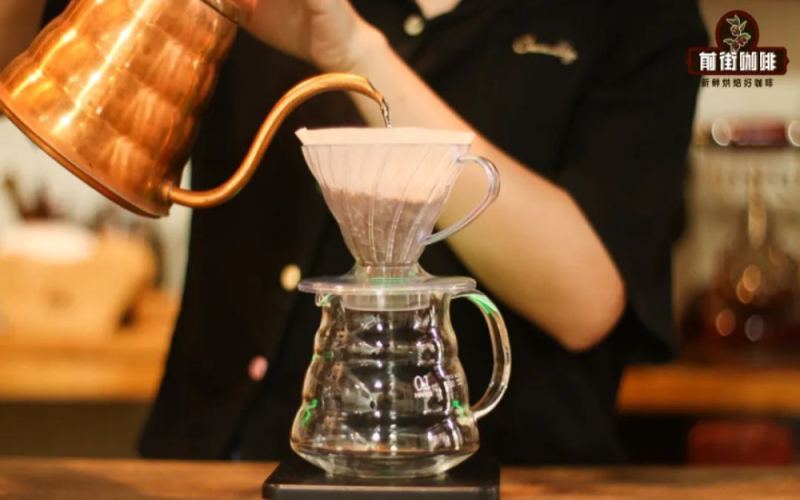
Is There a Particular Direction for Circular Pouring in Pour-Over Coffee? Analysis of Clockwise vs. Counterclockwise Experiments and Key Techniques
Among pour-over coffee pouring techniques, the size and speed of the circular pour are often discussed, but whether the direction of the circle affects extraction flavor has also become a question many enthusiasts are curious about. The spiral ribs of the V60 dripper are arranged clockwise, and some believe that pouring in the same direction can guide the water flow along the ribs and improve uniformity, while pouring counterclockwise may create turbulence by hitting the ribs and change the extraction result. To verify this claim, Front Street conducted a comparative experiment using the same parameters, changing only the pouring direction, and compared extraction time, concentration, and flavor performance one by one. This article will outline the experimental process and conclusions, and explain which pouring factors are truly worth paying attention to. [more…]
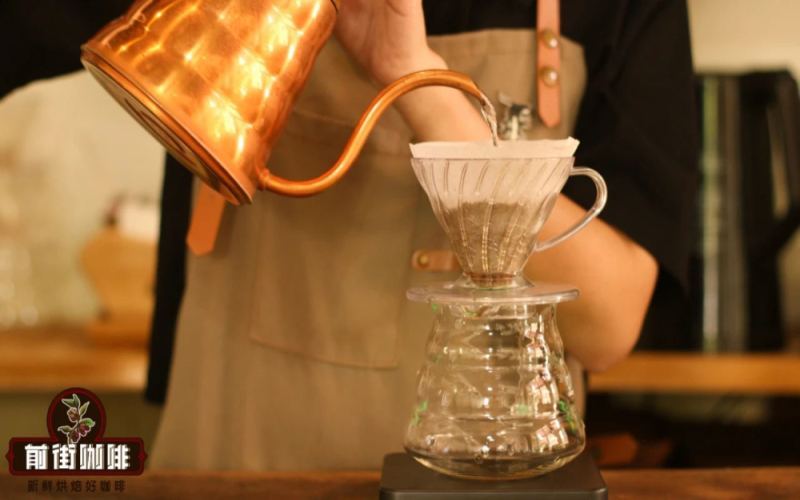
Beginner's Guide to Pour-Over Coffee: Equipment Principles and Step-by-Step Practice to Brew Specialty Flavors at Home
Pour-over coffee, with its flexible controllability, allows every cup to present a completely different flavor profile. Drawing on the practical experience of Front Street Coffee, this article systematically outlines the definition and characteristics of pour-over coffee, details the key points for selecting core equipment such as the gooseneck kettle, dripper, filter paper, and grinder, provides an in-depth analysis of the three-stage extraction principle of wetting, dissolution, and diffusion, and includes a complete set of hands-on steps for home brewing. Whether you are a beginner just getting into pour-over or an enthusiast looking to refine your technique, you will find practical guidance here. [more…]
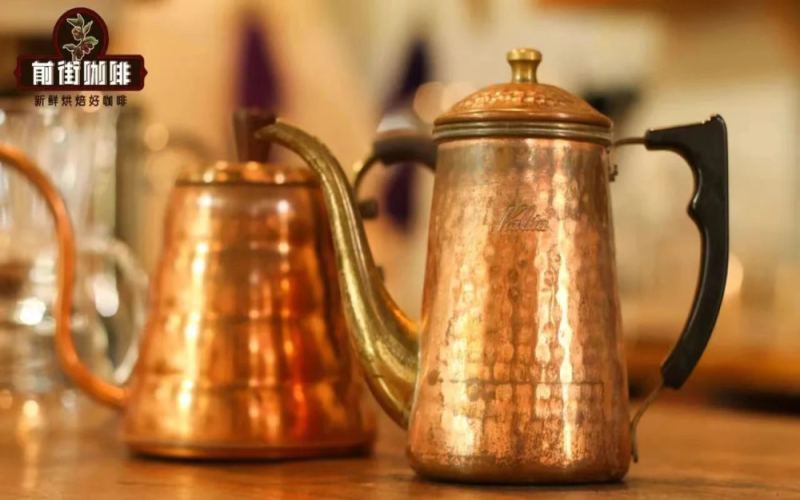
How to Choose the Right Pour-Over Kettle for Your Home Coffee Corner? A Comprehensive Guide from Temperature Control and Spout to Material
Creating a coffee corner at home—a handy pour-over kettle often determines how smooth your brewing experience will be. Faced with the dazzling array of options on the market, everything from temperature-controlled versus non-temperature-controlled, spout shape, body capacity, handle design, to material differences will affect water flow control and ease of use. This article will systematically sort out the key dimensions for choosing a pour-over kettle, helping beginners and advanced enthusiasts find the one that suits them best, and also includes Front Street Coffee's recommended flavor progression for beginner coffee beans, making it easier to pair your equipment with your beans. [more…]
Brewing Time | The Impact of Pour-Over Coffee Brewing Time on Extraction Flavor: When Does Brewing Time Start Counting?
There are many important parameters in coffee brewing. If you want to enjoy a delicious cup of coffee, you need to precisely control the brewing parameters and follow them as closely as possible during brewing, so that you can have a high probability of getting a tasty cup of coffee. Among these, brewing time is crucial for pour-over coffee. Regarding the coffee dose, [more…]
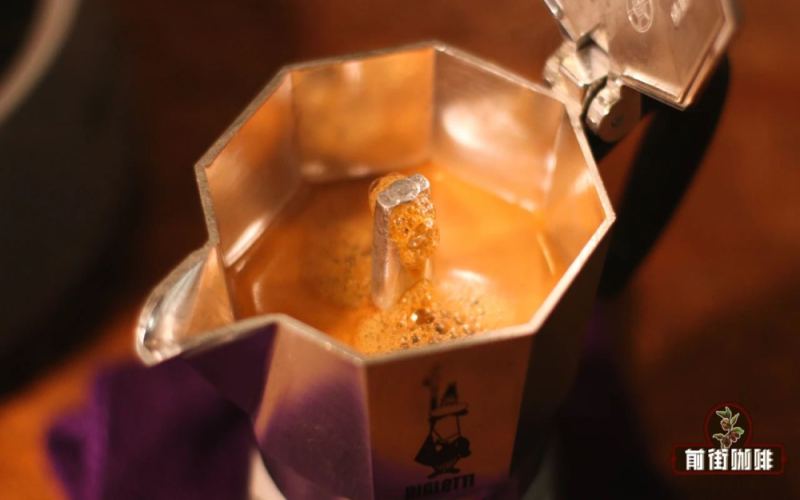
How the grind coarseness affects the flavor of moka pot coffee, and how to control the amount of coffee grounds and water
Coffee brewed with a moka pot has always been known for its intensity, thanks both to the fine grind and to the pressure-driven extraction principle. Yet many enthusiasts still find themselves puzzled when it comes to judging the grind size in practice. In fact, a moka pot is far more forgiving about grind size than an espresso machine—you only need a texture close to fine salt. It should not be as coarse as granulated sugar, as with pour-over, nor as fine as flour, as with Turkish coffee. Beyond grinding, how much coffee you put in the basket, how much water you pour into the base, and the beans you pair with it all shape what ends up in your cup. This article breaks down grind assessment, coffee-to-water ratios, bean selection, and the complete brewing process step by step, along with guidance on adjusting for over- and under-extraction, to help you consistently brew a delicious cup of moka pot coffee. [more…]
After the roast date, when does an SOE latte enter its flavor peak?
When SOE espresso meets milk, it can turn the fruity sweetness, nutty aroma, or cocoa notes of a single origin into softer layers in a latte—but only if the beans are at the right stage of release. Brew too soon after roasting, and the active gases make the espresso prone to inconsistency; leave them too long, and the aroma fades. To get it tasting good, the purchase date and the moment you open the bag [more…]
After the Roast Date, When Is the Best Time to Drink Coffee Beans for the Best Flavor?
Before putting coffee beans into an espresso machine, the roast date is worth checking before the aroma words on the packaging. Freshly roasted beans are still rapidly releasing carbon dioxide, and after grinding, the coffee bed is easily disturbed by the gas, which also causes fluctuations in the espresso flow rate and crema condition. Allow an appropriate resting period, and then plan to finish a bag of beans during its peak flavor stage, usually [more…]
How to Use a Flat-Bottom Dripper with Adjustable Flow Rate? Hero Variable-Speed Cake Dripper Hands-On Review and Three Brewing Recipes
What kind of brewing experience does a flat-bottom dripper with manually switchable extraction modes actually deliver? Front Street recently got its hands on Hero's variable-speed cake dripper, which uses a knob mechanism to offer three flow-rate settings—immersion, slow, and uniform—while its flat-bottom design makes it quite beginner-friendly. Front Street has brewed beans such as washed Butterfly Flower, Mozart, and Juliette Geisha with it, and also tried extending the variable-speed function to iced pour-over scenarios, comparing it with the V60. This article provides a complete record of three sets of brewing parameters, flavor performance, and detailed issues found during use, for coffee enthusiasts' reference. [more…]
Full Chinese transcript of 2017 World Brewers Cup champion Wang Ce's performance and a review of past champions
It has been some time since the 2017 World Brewers Cup came to a close, and many coffee enthusiasts have left messages asking about champion Chad Wang's competition script and its Chinese translation. To address this, we have compiled this complete Chinese translation of his presentation, along with a review of past champions. On the stage in Budapest, Chad Wang used Panama 90+ Geisha Estate #227 batch coffee beans as his medium, and through a carefully designed brewing regimen, he eloquently narrated the "connection" between coffee, barista, and customer. From terroir and processing methods to roast profiles, brewing parameters, and tasting guidance, the entire presentation was logically clear and emotionally sincere. Front Street Coffee particularly recommends paying attention to the details in the text regarding the ceramic V60 dripper, water quality control, and segmented tasting, as these have high reference value for daily brewing practices. [more…]
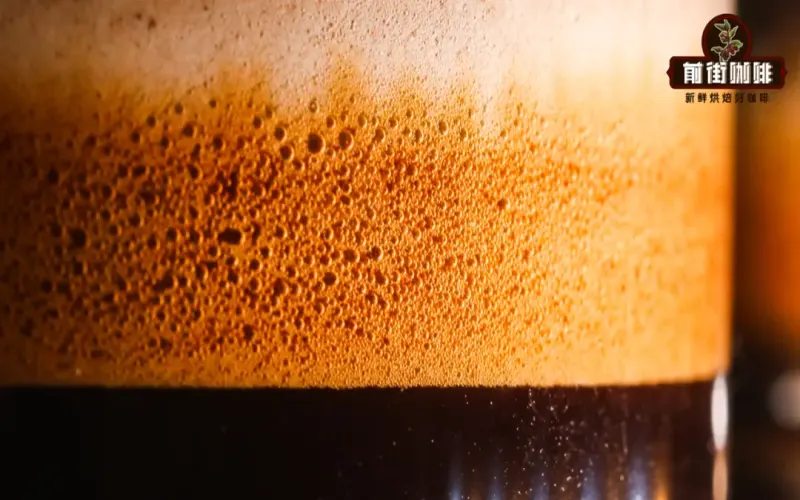
An Essential Analysis of Espresso Crema: Differences in Crema Content Among Espresso Beans and a Price Reference for Buying Coffee Beans with Rich Crema
That golden to chocolate-colored foamy layer on the surface of espresso is what coffee lovers often call "crema." It is not only a visual hallmark, but also influences the flavor direction and mouthfeel of espresso to a considerable extent. So what exactly is crema? Simply put, it is a mass of tiny bubbles formed when water, under high temperature and high pressure, extracts coffee grounds, emulsifying the natural fats and oils in the coffee and mixing them with air and carbon dioxide. The amount of crema is closely related to coffee variety, roast date, roast level, and equipment conditions. Robusta beans usually produce richer crema, while freshly roasted and darker roasted beans can also enhance crema performance. This article will systematically sort out the causes and influencing factors of crema, and at the same time, combined with specific products such as Front Street Classic Blend, Front Street Commercial Blend, and Front Street PWN Golden Mandheling, provide bean selection references and price guidance for coffee lovers seeking rich crema. [more…]
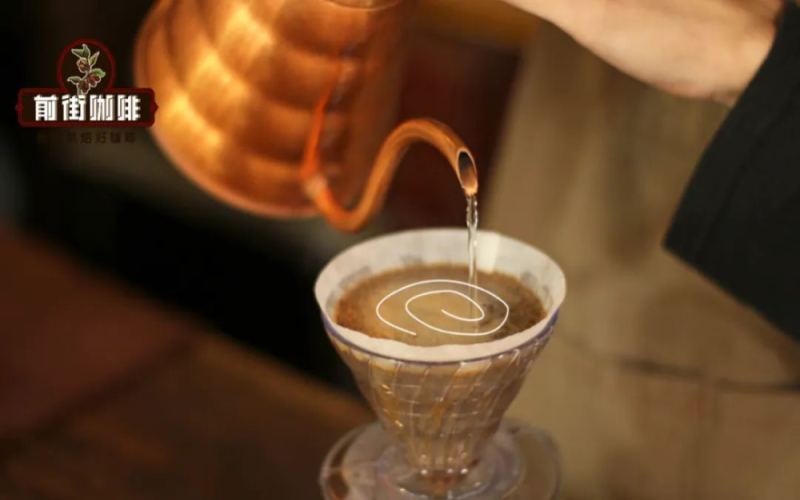
Is Counterclockwise Pouring Feasible with a V60 Dripper? An Analysis of How the Spiral Ribs of a Conical Dripper Affect Brewing Direction
Friends who are just getting into pour-over coffee are usually advised to start with the V60 dripper. Once you have the dripper, the next thing to figure out is your pouring technique—circular pouring is the most common way to agitate the coffee bed, but should you pour clockwise or counterclockwise, and does the direction actually make a difference in the cup? Starting from the structural characteristics of the V60, this article breaks down the design principles behind its 60° cone angle and spiral ribs, and through a comparative test at Front Street, brews a medium-light roasted Ethiopian Hualei 7.0 coffee with both clockwise and counterclockwise pouring to compare extraction time, concentration, and flavor performance, helping you decide whether the direction of your circles is really worth fussing over. [more…]
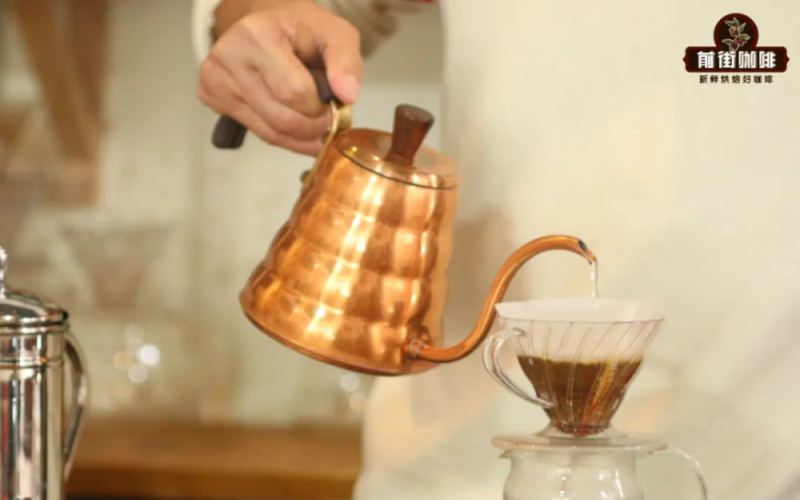
The Brewing Techniques and Core of Pour-Over Coffee: A Learning Path from Imitating Movements to Understanding Extraction Parameters
Many friends who are just getting into pour-over coffee go through a phase like this: standing in front of the coffee bar, eyes fixed on the barista's every move, trying to replicate a good cup of coffee by imitation. The grind size, the pouring rhythm, the number of circles, the total time—these visible "forms" are certainly important, but what truly determines the flavor of a cup of coffee is often the invisible extraction logic behind them. Drawing on Front Street Coffee's observations and experience, this article discusses just how important pour-over technique really is, and how beginners can start from zero, gradually moving from imitating movements to understanding parameters, completing the cognitive leap from "0" to "1." [more…]
KONO Dripper Brewing Guide: Extraction Characteristics Analysis and Medium-Dark Roast Coffee Bean Pairing Suggestions
The KONO dripper, with its distinctive rib design and slow flow rate, produces a flavor profile in coffee extraction that is completely different from the Hario V60. This article starts with the dripper's structure to explain why it is better suited to medium-dark roasted or full-bodied coffee beans, and uses the classic Front Street Golden Mandheling as an example to break down a complete brewing recipe covering dose, grind size, water temperature, and three-pour technique. Whether you want to understand the extraction logic of the KONO dripper or are looking for coffee beans to match it, this article will provide clear and practical guidance. [more…]